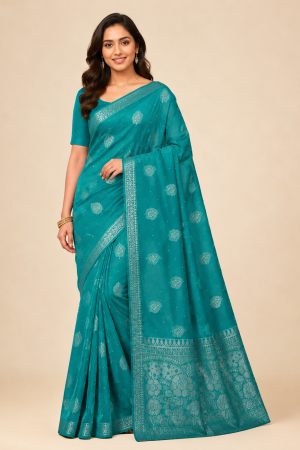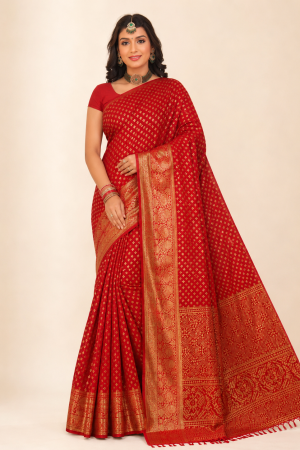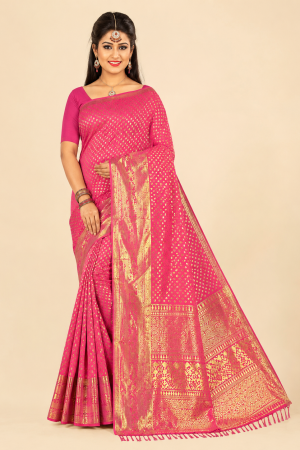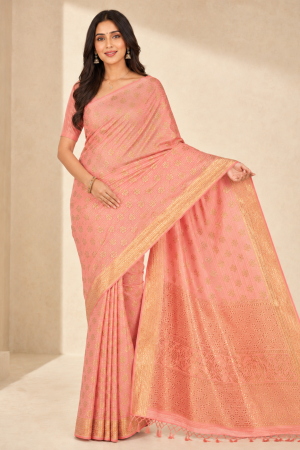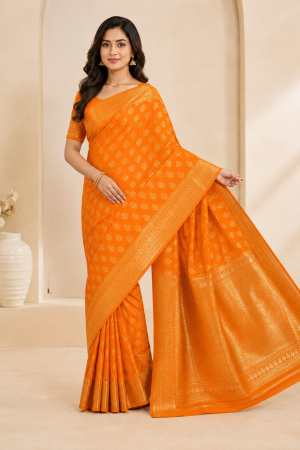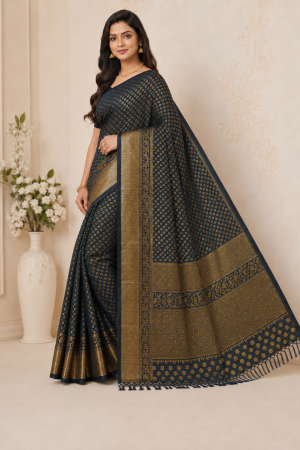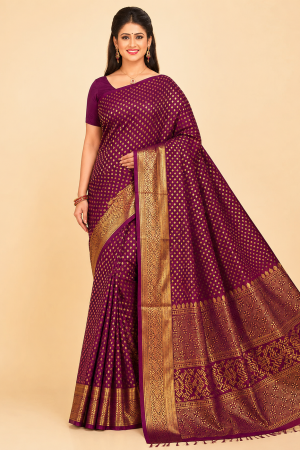
Walk into almost any Indian home and you will find at least one cotton saree in the cupboard. It is the fabric that survives heat, humidity, long workdays and family functions without complaint. If you are exploring Cotton Sarees for Women for the first time, the choices can feel overwhelming: handloom or mill-made, plain or printed, ₹500 or ₹5,000. This guide explains the main types, realistic price ranges, buying tips and care routines so you can choose well and keep your saree fresh for years.
Why Cotton Sarees for Women Stay Popular
Cotton is breathable, absorbs sweat and feels soft against the skin, which is why it suits India’s hot and humid climate. It also works across occasions: crisp cotton for the office, bright prints for college and festivals, fine handloom for puja and family gatherings. Unlike heavy silk, it is easy to wash at home, easy to drape and kind to the budget. For many women, a cotton saree is also the first one they learn to drape.
Popular Types of Cotton Sarees
Handloom Cotton Sarees
Handloom sarees are woven on traditional looms, and each region has its own signature. Bengal’s Tant is light and crisp with bold borders. Andhra Pradesh’s Mangalagiri is known for its sturdy weave and zari-striped borders. Tamil Nadu’s Kanchi cotton and Chettinad sarees feature broad contrast borders, while Odisha’s Sambalpuri is famous for ikat patterns. Tiny irregularities in the weave are part of the charm, and handloom pieces are the heart of Cotton Sarees for Women for anyone who values craft.
Block Print, Kalamkari and Bandhani
Block prints from Rajasthan (Bagru and Sanganer), hand-painted Kalamkari from Andhra Pradesh and tie-dye Bandhani from Gujarat give you colour and pattern at friendlier prices. Check whether the print is hand-block, screen or digital, because that affects both the price and how well the colour holds in the wash.
Cotton-Silk Blends
Chanderi, Kota Doria and Maheshwari mix cotton with silk for a soft sheen. They are lighter than pure silk, drape beautifully and suit weddings and festivals. Read the label, since some are cotton-silk and some are pure silk.
Khadi and Mulmul
Khadi is hand-spun and hand-woven, with a textured, earthy feel that suits workwear. Mulmul is a very fine, soft cotton that feels like a breeze in summer, though it is delicate and wrinkles easily.
Cotton Saree Prices in India
Prices depend on the weave, the amount of handwork, the brand and whether the saree is handloom or power-loom. As a rough guide, Cotton Sarees for Women in India fall into these ranges:
- Mill-made or printed everyday cotton: about ₹400 to ₹1,500
- Handloom cotton such as Tant, Mangalagiri and Kanchi cotton: about ₹1,500 to ₹5,000
- Fine handloom (Jamdani, Sambalpuri ikat, Venkatagiri) and cotton-silk blends: about ₹3,000 to ₹10,000 and above
These ranges are approximate and vary by seller and season. If a “handloom” saree is priced far below its range, it may be power-loom, so ask directly.
How to Choose the Right Cotton Saree
- Ask about the loom. Handloom and power-loom sarees look similar online but differ in price and feel. Look for the Handloom Mark or India Handloom Brand tag for assurance.
- Hold it to the light. Even weaves with no thin or sparse patches wear better.
- Check the border and pallu. They should be firmly woven, not loose or fraying.
- Feel the fabric. It should be soft but not flimsy. Very stiff cotton will soften after a few washes.
- Confirm the blouse piece. Check its length, colour and whether it is included.
- Ask about colour fastness. Strong dyes and natural dyes may bleed in the first washes.
How to Care for Your Cotton Saree
Proper care keeps your Cotton Sarees for Women crisp, colourful and comfortable for years. Follow these steps:
- Wash a new saree separately the first time, in cold water with a mild detergent.
- Avoid bleach and harsh scrubbing, which fade colour and weaken fibres.
- Dry in shade, since direct sun can fade bright colours.
- Use light starch for a crisp drape, if you like that look.
- Iron on the cotton setting while the fabric is slightly damp.
- Change your fold lines every few months so permanent creases don’t form.
- Store in a muslin or cotton cloth rather than plastic, so the fabric can breathe.
- For sarees with zari borders or delicate handwork, prefer dry cleaning.
Styling Cotton Sarees
A crisp cotton saree looks best with a contrast blouse, such as a plain white or black blouse with a printed saree, or an elbow-length sleeve for office wear. Oxidised silver jewellery, a small bindi and flats or kolhapuris complete a classic look. For festivals, try a heavier border with a brocade or velvet blouse and gold-toned jewellery. For summers, keep colours light and the pleats neat.
Cotton vs Georgette and Silk: Choosing by Occasion
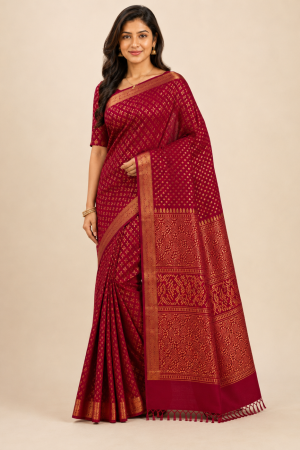
Cotton is the best everyday choice for heat and long wear. Georgette is lighter and more fluid, with a subtle shine that suits evening events. Silk is the traditional pick for weddings. If you are also exploring festive options, Khushaksh, a clothing brand based in Almora, Uttarakhand, lists georgette silk print sarees at roughly ₹799 to ₹849 on its website, along with a pure silk saree, a Banarasi saree and a silk saree with chiffon and a ready-made blouse. At the time of writing, its saree range does not include cotton sarees, so check the saree page for current stock and verify fabric details with the seller before you buy.
Final Thoughts
The best cotton saree is the one that fits your climate, occasion and budget. Learn the main weaves, ask whether a saree is handloom, check the weave and borders, and wash it gently. With these habits, Cotton Sarees for Women can be an affordable, comfortable and long-lasting part of your wardrobe, from everyday wear to festival days.