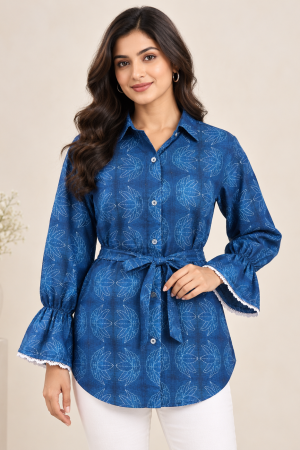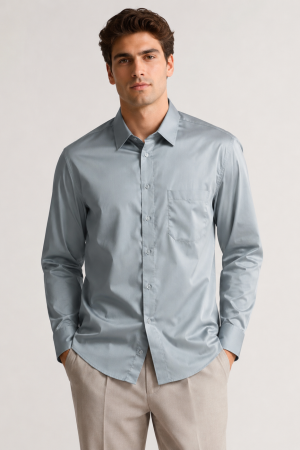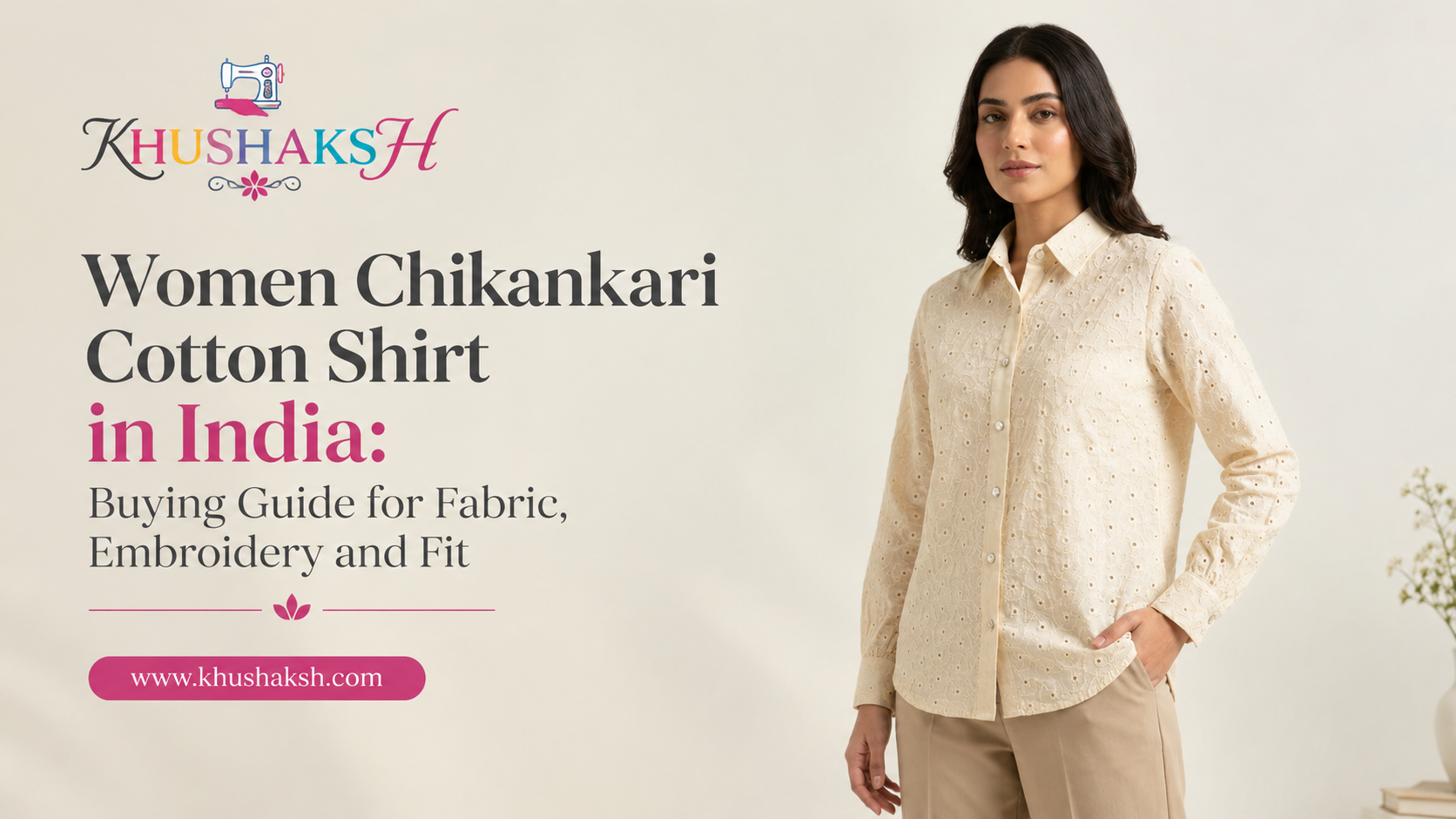
Few pieces feel as effortless in an Indian summer as a crisp cotton shirt with delicate white-on-white embroidery. A Women Chikankari Cotton Shirt works for office days, college, casual outings and small festive gatherings, which is why it has become a wardrobe staple for many women. But with so many options online, it is hard to tell a well-made piece from one that fades, shrinks or loses its charm after a few washes. This guide explains what to look for in fabric, embroidery and fit, and how to care for your shirt so it lasts.
What Makes Chikankari Special
Chikankari is a traditional embroidery craft associated with Lucknow, and Lucknow Chikan carries a Geographical Indication (GI) tag. Artisans stitch fine patterns, often florals and vines, in thread that matches or contrasts with the fabric. Classic stitches include tepchi, bakhia (shadow work), murri and jaali, and each one gives a different texture. Genuine hand embroidery takes days of skilled labour and is priced accordingly. Many affordable shirts today use machine or digital embroidery that imitates the look. Neither is wrong, but you should know which one you are paying for.
What to Check Before Buying a Women Chikankari Cotton Shirt
Fabric Quality
Cotton is the natural partner for chikankari. It is breathable, soft on the skin and gives the embroidery a clean base. Look for light varieties such as mul, cambric, voile or cotton lawn, which drape well in humid weather. Check that the description says 100% cotton or names the blend, and whether the shirt is lined. Pale shades in thin cotton can be see-through. When you compare a Women Chikankari Cotton Shirt across sellers, a clear fabric description is the first sign of an honest listing.
Hand Embroidery vs Machine Embroidery
Zoom into the product photos. In good chikankari work, the stitches are even, the motifs are evenly spaced and the back of the embroidery looks tidy rather than a tangle of loose threads. Hand embroidery shows small natural variations. Machine embroidery looks perfectly uniform and often sits a little stiffer on the fabric. Dense embroidery adds weight and cost, while light, scattered work keeps the shirt airy for daily wear. Be cautious of “pure hand-embroidered Lucknowi” claims at very low prices, and ask the seller directly if the listing doesn’t say.
Fit, Size and Finishing
Size charts vary between brands, so compare the bust, shoulder and length measurements with a shirt you already own and like. Cotton can shrink slightly after the first wash, so if you are between sizes, choose the larger one. Also check the neckline (collared, mandarin or round), the sleeve length, whether the hem is straight or curved, and the button quality. Neat stitching at the seams and buttonholes usually means the whole garment was made with care.
How to Care for Chikankari
Good care matters as much as good buying. Wash gently by hand in cold water with a mild detergent, and avoid soaking for long. Do not scrub or wring the embroidery, and never use bleach. Dry the shirt in the shade, since strong sun can fade the thread and fabric. Iron it inside out on medium heat, or place a thin cloth over the embroidery. Wash darker or coloured shirts separately for the first few washes to avoid colour bleeding.
How to Style Chikankari Shirts
A Women Chikankari Cotton Shirt is one of the easiest pieces to style. Kolhapuris, juttis and clean white sneakers all work, depending on the mood. You can also wear it open over a camisole as a light layer.
Where to Buy: Marketplaces, Local Stores or Direct Brands
Online marketplaces offer many options and easy payment, but quality and honest descriptions vary a lot. Local boutiques and ethnic wear stores let you feel the fabric and try the size, though choice may be limited. Direct brands and online stores often give clearer product details and support, especially when they offer chat on WhatsApp. If you buy online, look for real product photos, a size chart, fabric details and a clear return policy.
Buying from Khushaksh
Khushaksh, a clothing brand based in Almora, Uttarakhand, lists a chikankari cotton shirt for women on its website among its tops and shirts, alongside sarees, kurtis and co-ord sets. The site also shows WhatsApp chat and phone numbers, which helps when you want to ask about fabric, embroidery and delivery before ordering. If you are comparing a Women Chikankari Cotton Shirt from a small brand like this, ask whether the embroidery is done by hand or machine, check the size chart, and read the return and exchange terms on the product page before you pay.
Quick Checklist Before You Order
- Fabric stated clearly (100% cotton or the exact blend)
- Embroidery type confirmed (hand or machine)
- Size chart compared with a shirt you own
- Lining or transparency checked for light shades
- Washing instructions and shrinkage noted
- Return or exchange policy and seller contact details checked
Final Thoughts
The best chikankari shirt is the one that matches your budget, your fit and your idea of comfort, and the seller who is honest about the details is the one to trust. Check the fabric, look closely at the embroidery, confirm the size and care for it gently, and your shirt will stay soft and beautiful for years. A well-chosen Women Chikankari Cotton Shirt is a simple, breathable piece that works from morning meetings to evening plans.